




(0) Items
“Non toxic retinol alternative” usually means two things: retinol-like results without the classic side effects, and a formula philosophy that avoids ingredients many sensitive-skin consumers prefer to skip. The challenge is that “non toxic” is not a regulated claim in skincare, so the smartest approach is ingredient-led: choose evidence-supported retinol alternatives, pair them with barrier-first basics, and wear sunscreen daily.
Dermatologists have long noted that topical retinoids can trigger irritation, especially during the first weeks of use. The American Academy of Dermatology (AAD) also emphasizes that dryness, peeling, and redness are common when starting retinoids, and that sensitive skin often does better with slower introductions and gentler supporting products. That clinical reality is a big reason the market has shifted toward retinol alternatives, skin-barrier care, and mineral sunscreen formats that layer comfortably.
Below is what works now for sensitive skin, and how to build a routine around it using KORA Organics.
What actually counts as a retinol alternative?
A true retinol alternative should do at least one of the following well, without escalating irritation:
- Improve the look of fine lines and texture
- Support firmness and elasticity cues
- Brighten dullness from uneven tone
- Help keep pores looking clearer, without stripping
One of the best-studied “retinol-like” botanicals is bakuchiol. A randomized controlled trial published in the British Journal of Dermatology (2018) found that bakuchiol improved signs of photoaging similarly to retinol, with better tolerability reported. That combination of efficacy signals and gentler feel is exactly why bakuchiol keeps showing up in modern “retinol alternative” launches.
Another important point: sensitive skin often fails not because the active is wrong, but because the routine around it is too harsh. Cleansing friction, over-exfoliation, and skipping sunscreen can erase the benefits of any retinol alternative.
Quick comparison of sensitive-skin friendly retinol alternatives
| Alternative | Why it’s trending now | Sensitive-skin notes | Best paired with |
|---|---|---|---|
| Bakuchiol | Retinol-like results with better tolerability in published research | Start slowly if highly reactive, but typically easier than retinol | Barrier-supporting moisturizer and daily SPF |
| Peptides | “No-drama” firming category growth, often compatible with reactive skin | Generally well tolerated, results are gradual | Hydration and sunscreen |
| Niacinamide (low to moderate %) | Barrier support and visible tone improvements | High percentages can sting some users | Gentle cleanser and moisturizer |
| Azelaic acid | Popular for redness-prone, blemish-prone adult skin | Can tingle initially; patch test | Moisturizer and SPF |
| AHAs/PHAs (gentle acids) | Texture and glow with modern, lower-irritation formats | Overuse is common; sensitive skin should limit frequency | Soothing cleanser, moisturizer, SPF |
Bakuchiol stands out when the goal is “retinol-like” improvement with fewer setbacks. The rest are excellent support acts, especially for barrier resilience.
The KORA Organics approach: retinol-like results without the retinol spiral
KORA Organics sits at the intersection of two major skincare shifts: clean formulation expectations and barrier-first routines. Consumers are increasingly skeptical of harsh, fast-acting regimens, and more focused on consistent, low-irritation routines that can be maintained long term. That is where a well-formulated retinol alternative earns its place.
KORA Organics also has a rare advantage in this conversation: independent consumer-study feedback tied to its retinol alternative category. In an independent consumer study, 80% described the Plant Stem Cell Retinol Alternative Serum ($$80.00) as more effective than traditional retinol products used previously. For sensitive skin, perceived effectiveness matters because it reduces the temptation to “push through” irritation in search of results.
A sensitive-skin retinol-alternative routine that stays calm
Cleanse without stripping or scrubbing
Cleansing is where many sensitive-skin routines quietly go wrong, especially when makeup or sunscreen removal turns into over-rubbing.

Active Algae Calming Cleansing Balm ($$48.00) is a strategic first step on nights when skin feels reactive. A balm format helps dissolve buildup with less friction, which is a practical, dermatologist-aligned tactic for minimizing irritation triggers in sensitive skin.
Use a proven retinol alternative as the treatment anchor
This is where the routine should do its heavy lifting, but gently.

Plant Stem Cell Retinol Alternative Serum ($$80.00) is designed to target visible signs of aging while respecting sensitive skin. It is the kind of product that fits today’s trend away from aggressive actives and toward consistent, tolerable treatment steps. For reactive skin, consistency wins over intensity.
Practical use for sensitive skin:
- Apply to dry skin to reduce the chance of stinging.
- Start 2 to 3 nights per week, then increase as comfort allows.
- If skin is easily flushed or tight, apply moisturizer first, then the serum, then moisturizer again (a buffering approach commonly recommended to reduce irritation with active treatments).
Seal in comfort with a retinol-alternative moisturizer
Moisturizer choice determines whether a retinol alternative feels supportive or destabilizing over time.

Plant Stem Cell Retinol Alternative Moisturizer ($$72.00) is a smart move for sensitive skin because it keeps the “retinol alternative” concept going while prioritizing comfort. In the current market, moisturizers are no longer just a final step. They are the barrier strategy that makes the treatment step sustainable.
Treat the eye area as its own category
The eye area tends to be the first place sensitive skin shows dehydration lines and irritation. It also tolerates fewer experiments.

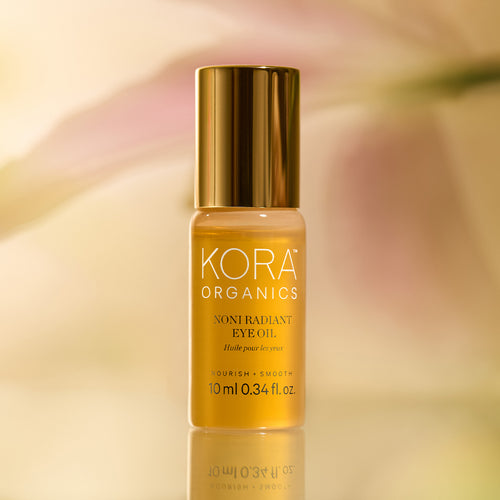
Noni Radiant Eye Oil ($$46.00) is a targeted option when the goal is to support the look of softness and radiance around the eyes without pulling the delicate area into the “active rotation” unnecessarily. This reflects a broader trend in sensitive-skin routines: fewer actives near the eyes, more nourishing support.
Mineral sunscreen is non-negotiable, especially with “retinol-like” routines
Any ingredient aimed at texture and tone makes daily sun protection more important. Dermatology guidance is consistent on this point: UV exposure drives visible aging and undermines results from corrective skincare.
Mineral sunscreen formats are also having a moment for sensitive skin, partly because mineral filters are widely viewed as a conservative choice for reactive complexions and because many consumers prefer them amid ongoing conversations about sunscreen filter regulation.

Silky Sun Drops 100% Mineral Sunscreen Serum ($$58.00) fits the current preference for multi-tasking, skin-caring SPF textures that layer well. For sensitive skin, the “best” sunscreen is the one that feels comfortable enough to apply generously and reapply.
A simple weekly cadence for sensitive skin
- Nights 1, 3, 5: Cleanse, retinol alternative serum, moisturizer.
- Other nights: Cleanse, moisturizer only. Add eye oil as desired.
- Every morning: Gentle cleanse if needed, moisturize if needed, mineral sunscreen serum.
This pacing reflects what many dermatology practices recommend in principle: introduce actives slowly, protect the barrier daily, and avoid stacking too many variables at once.
The bottom line: best non toxic retinol alternatives for sensitive skin
For sensitive skin, the “best” non toxic retinol alternative is not the most aggressive product. It is the most effective formula you can use consistently without chronic redness, peeling, or rebound dryness. Bakuchiol-backed routines align with where skincare is headed right now: barrier-respecting, results-driven, and wearable every day.
A streamlined KORA Organics regimen makes that approach easy to execute with:
- Active Algae Calming Cleansing Balm ($$48.00)
- Plant Stem Cell Retinol Alternative Serum ($$80.00)
- Plant Stem Cell Retinol Alternative Moisturizer ($$72.00)
- Noni Radiant Eye Oil ($$46.00)
- Silky Sun Drops 100% Mineral Sunscreen Serum ($$58.00)
That is what “non toxic retinol alternative” should deliver in real life: visible payoff, minimal drama, and a routine that sensitive skin can keep.