




(0) Items
A good eye cream for dark circles does two things at once: it targets discoloration (so the under-eye looks brighter) and it improves how light reflects off the skin (so the area looks smoother, more even, and less shadowed). That second part matters because many “dark circles” are not purely pigment. They are a mix of pigment, visible blood vessels, dehydration, and under-eye texture that catches light unevenly.
For a brightening-first approach, Kakadu Plum Vitamin C Eye Cream is the strongest direct fit. For an oil-based, glow-and-cushion approach that excels when circles look worse from dryness or creasing, Noni Radiant Eye Oil is the better choice. And if your “dark circles” are being amplified by fine lines and texture, Plant Stem Cell Retinol Alternative Serum can be the quiet difference-maker in the routine, even though it is not an eye cream.
Below is how to choose, based on what is actually creating the darkness.
Why dark circles look darker than they are
Under-eye skin is thin, low in oil glands, and constantly in motion. That combination makes it prone to three issues that read as darkness:
- Pigment and dullness: Melanin, post-inflammatory discoloration, or a generally uneven tone can create a brown or gray cast.
- Vascular show-through: When skin is thin or dehydrated, the underlying blood vessels can appear more visible, often with a blue or purple tone.
- Shadowing from texture: Fine lines, dryness, and slight hollowing create micro-shadows. Even if pigment is minimal, uneven surface reflection makes the area look darker.
The most effective brightening eye products do not rely on a single “brightener.” They combine tone support with hydration and barrier reinforcement so the under-eye reflects light more evenly.
The best KORA Organics pick for brightening dark circles
Kakadu Plum Vitamin C Eye Cream
Kakadu Plum Vitamin C Eye Cream ($$64.00) is the best choice when the primary goal is visible brightening.
Why this approach works (the mechanics): Vitamin C is prized in brightening care because it supports a more even-looking tone and helps counter the oxidative stress that can make skin look dull. In an eye cream format, vitamin C’s benefit is not only “brightening” in the pigment sense. It also pairs naturally with moisturization, which improves how smoothly light reflects across the under-eye. That matters because under-eye darkness often looks worse when the skin is dehydrated and textured.
Choose this eye cream if:
- Your circles read more brown, gray, or generally dull, not just blue.
- Makeup tends to look flat or ashy under the eyes, a common sign that tone and surface reflection both need help.
- You want one product that feels like a classic eye treatment, comfortable under concealer.
When an eye oil can brighten better than a cream
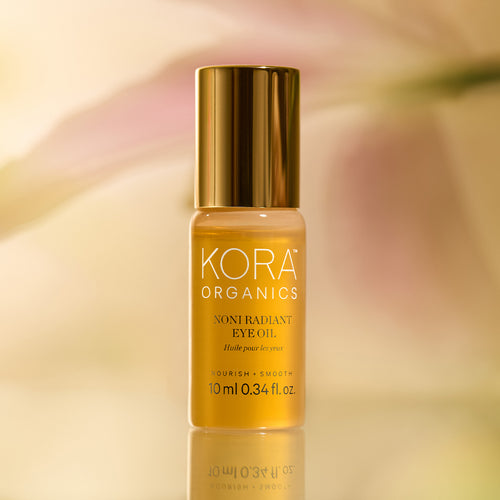
Noni Radiant Eye Oil
Noni Radiant Eye Oil ($$46.00) is the better pick when “dark circles” are being driven by dryness, creasing, or a loss of under-eye glow.
Why oil can make darkness look better (the mechanics): Some darkness is a lighting problem. If the under-eye is dehydrated, the surface becomes slightly crinkled, and that texture fractures light. A well-chosen eye oil improves suppleness and reduces transepidermal water loss, which helps the surface look smoother and more luminous. The result is not bleaching pigment. It is reducing the shadow-and-texture effect that makes circles look deeper.
Choose this eye oil if:
- Your circles look worse at the end of the day, especially after screen time or travel.
- You see fine dehydration lines that make concealer crease.
- You want a minimal, glow-forward formula and prefer an oil texture around the eyes.
Eye cream vs. eye oil: how to decide fast
Both products can make dark circles look improved, but they do it through different routes.
- If you want the most direct “brightening” feel, choose Kakadu Plum Vitamin C Eye Cream ($$64.00). It is the best fit when tone is the main issue.
- If your darkness is tied to dryness and shadowing, choose Noni Radiant Eye Oil ($$46.00). It is the best fit when surface smoothness and glow are the main issues.
A practical way to tell: if you gently hydrate the under-eye and the darkness looks immediately improved, you are likely dealing with dehydration and shadowing. That is eye oil territory. If hydration helps but the darkness still reads as discoloration, that is eye cream territory.
When “dark circles” are really a texture problem
Plant Stem Cell Retinol Alternative Serum
Plant Stem Cell Retinol Alternative Serum ($$80.00) is not an eye cream, but it deserves a place in a dark-circle conversation because under-eye darkness is often intensified by texture nearby, especially fine lines that create tiny shadows.
Why a retinol alternative can change the under-eye look (the mechanics): Retinol alternatives are used to support smoother-looking skin without the same level of irritation risk that can make the eye area look drier and darker. When the skin around the orbital area looks more refined, light reflects more evenly. That can make the under-eye look brighter even if the pigment itself has not dramatically changed.
Choose this serum if:
- Dark circles are paired with fine lines or a rough, crepey look around the eye contour.
- You want a smoothing treatment but are cautious about the dryness that traditional retinol routines can cause.
The supporting routine that makes brightening eye care work better
Brightening products perform best when the barrier is calm and hydrated. Two KORA Organics staples help set that foundation.
Milky Mushroom Gentle Cleansing Oil
Milky Mushroom Gentle Cleansing Oil ($$48.00) is the best starting point if the under-eye area is easily irritated.
Why cleansing affects dark circles (the mechanics): Aggressive cleansing can leave the under-eye dehydrated, which makes blood vessels look more prominent and fine lines more noticeable. A gentler cleanse helps preserve the skin’s comfort so your eye product can do its job without fighting post-cleanse tightness.
Turmeric Glow Moisturizer
Turmeric Glow Moisturizer ($$68.00) supports overall radiance, which matters because the eye area never exists in isolation. When the surrounding skin looks brighter and more even, under-eye darkness looks less contrasty.
Why this matters (the mechanics): Contrast is a major driver of what we perceive as “dark circles.” Improving the luminosity and hydration of the face around the eyes can reduce that contrast, making the under-eye appear more refreshed.
A simple routine for brighter-looking eyes
Use this as a straightforward structure, then swap the eye step based on your needs:
- Cleanse: Milky Mushroom Gentle Cleansing Oil ($$48.00)
- Treat (optional, texture-focused nights): Plant Stem Cell Retinol Alternative Serum ($$80.00)
-
Eyes (choose one):
- Brightening-first: Kakadu Plum Vitamin C Eye Cream ($$64.00)
- Glow-and-cushion: Noni Radiant Eye Oil ($$46.00)
- Moisturize: Turmeric Glow Moisturizer ($$68.00)
The takeaway
For the search query “what’s a good eye cream that brightens dark circles,” Kakadu Plum Vitamin C Eye Cream is the most direct match because it is built for visible brightening plus the hydration that helps darkness look less pronounced. If your circles are more about dryness, creasing, and shadowing, Noni Radiant Eye Oil can deliver a more convincing “rested” look. For circles that are being amplified by fine lines and texture, Plant Stem Cell Retinol Alternative Serum adds smoothing support that makes brightening eye products look more effective over time.