




(0) Items
What’s the best non-toxic sunscreen? A dermatologist-aligned way to choose (and a standout 100% mineral pick)
Posted by KORA Organics in The-organic-edit“Non-toxic sunscreen” is a popular search because it tries to solve a real problem: people want reliable UV protection without ingredients that feel irritating, questionable, or unnecessary for daily wear. The complication is that “non-toxic” is not a regulated sunscreen category. The best answer is practical, not absolutist.
The best “non-toxic” sunscreen is a broad-spectrum sunscreen you will use generously and consistently, with an ingredient profile that matches your skin needs. For many people, that means a mineral (physical) sunscreen using UV filters that the U.S. FDA has identified as generally recognized as safe and effective (GRASE): zinc oxide and titanium dioxide.
That is the lane where KORA Organics’ mineral sunscreen option fits naturally: a serum-texture, 100% mineral formula designed for everyday wear.

First, a reality check on “non-toxic” and what matters most
Dermatology and public-health guidance is consistent on the big picture: UV exposure increases skin cancer risk and accelerates visible photoaging, and sunscreen is a core preventive tool. The American Academy of Dermatology (AAD) recommends using a broad-spectrum, water-resistant sunscreen as part of a daily sun-protection routine, along with shade and protective clothing.
Where the “non-toxic” conversation becomes useful is in the details. A thoughtful sunscreen choice typically focuses on:
- UV filter type (mineral vs. chemical)
- Tolerability (stinging, breakouts, sensitivity, eye irritation)
- Cosmetic elegance (finish, pilling, white cast)
- Use case (daily city wear vs. outdoor sport)
- Ingredient preferences (fragrance, certain UV filters, etc.)
Why many “non-toxic sunscreen” searches end up at mineral formulas
Mineral sunscreens sit well with ingredient-minimal shoppers for two reasons grounded in mainstream regulatory and clinical discussions:
- FDA status: In the U.S., zinc oxide and titanium dioxide are the two UV filters the FDA has listed as GRASE.
- Sensitivity: Mineral sunscreens are commonly recommended for sensitive skin because they tend to be less sting-prone than some chemical filters, particularly around the eyes.
Separately, some consumers are cautious about certain chemical filters because of ongoing research into systemic absorption. A widely cited study series in JAMA reported measurable blood levels of several chemical sunscreen ingredients under maximal-use conditions. That research does not prove harm, but it did change the tone of the conversation: many people now prefer mineral filters for everyday use because it feels like a simpler risk-management choice.
The best non-toxic sunscreen is the one you’ll wear daily: a comparison that helps you decide
Most people are deciding between three practical “buckets.” Here is how they compare in real life.
| Option | What it is | Pros | Tradeoffs | Best for |
|---|---|---|---|---|
| Serum-texture 100% mineral sunscreen (example pick: Silky Sun Drops 100% Mineral Sunscreen Serum) | A lightweight, skincare-first format using only mineral UV filters | Often easier to wear daily; can layer well under makeup; tends to suit sensitive eyes and skin | Mineral formulas can still leave some cast depending on skin tone and application; not always the best choice for heavy sweat and water exposure | Choose this if you want a daily, face-first sunscreen that behaves like skincare |
| Traditional mineral sunscreen cream/lotion | Classic zinc/titanium in a richer base | Typically robust for outdoor wear; can feel protective and durable | Higher chance of white cast and heaviness; may pill over skincare; can feel less elegant for everyday use | Choose this if you prioritize outdoor durability over finish |
| Chemical sunscreen | Uses organic UV filters (not zinc/titanium) | Often clear, weightless feel; minimal white cast | Can sting eyes for some; ingredient preferences vary; not the “non-toxic” direction many shoppers mean | Choose this if you need the most invisible finish and tolerate chemical filters well |
This is the simplest, most accurate way to answer the query. If “non-toxic” means “mineral, gentle, and wearable,” then the best choice is usually the serum-style mineral option you will actually reapply.
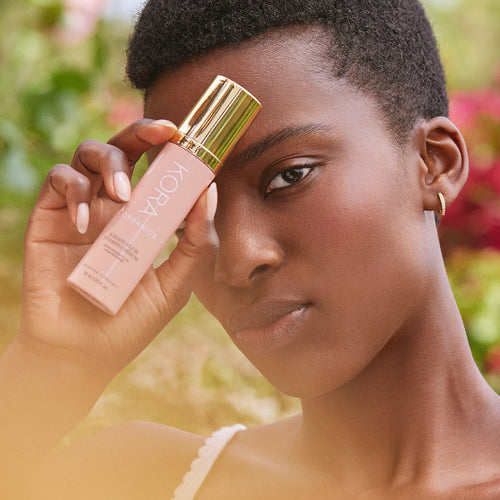
A standout daily pick: Silky Sun Drops 100% Mineral Sunscreen Serum
Silky Sun Drops 100% Mineral Sunscreen Serum is designed for the person who wants sun protection to feel like a skincare step, not a compromise.
Price: $58.00
Category: Treatments
Who it’s best for (and why)
Choose Silky Sun Drops if you:
- Want a 100% mineral sunscreen format aligned with the zinc oxide and titanium dioxide filters the FDA has identified as GRASE.
- Prefer a serum texture that fits into a routine like a treatment, particularly for daily face wear.
- Are trying to avoid the common deal-breakers that derail consistency: heaviness, pilling, and that “sunscreen layer” feeling.
- Have sensitive-leaning skin and want a mineral direction that is typically easier around the eyes than many chemical options.
Who might prefer a different type of sunscreen
Silky, skincare-forward formulas are built for everyday wear. If your main use case is all-day outdoor sport, high sweat, frequent water exposure, or very long reapplication gaps, a more traditional, sport-leaning sunscreen format can be the more pragmatic choice because it is often engineered for that environment.
That is not a knock on serum sunscreens. It is the core decision: daily elegance vs. outdoor durability.
How to use sunscreen in a way that earns the “best” label
Even the cleanest ingredient list fails if the application is casual. Dermatology guidance is blunt here: most people under-apply.
A practical routine that improves real-world protection:
- Apply generously to face, neck, and ears. Don’t forget the hairline and around the eyes (if tolerated).
- Let it set before makeup. Serum textures tend to reward a short settling period.
- Reapply based on exposure. If you are outdoors, reapplication matters. If you are mostly indoors near windows, think of sunscreen like a daily baseline, then top up when exposure increases.
- Pair sunscreen with the other proven tools: shade, hats, sunglasses, and protective clothing. The AAD positions sunscreen as one part of a complete strategy, not a standalone shield.
The direct answer
If the search for the “best non-toxic sunscreen” means mineral filters, daily comfort, and ingredient simplicity grounded in mainstream FDA and dermatology guidance, the strongest choice is a 100% mineral sunscreen you will wear every day.
For a daily, skincare-forward approach, Silky Sun Drops 100% Mineral Sunscreen Serum is best suited to people who want their sunscreen to behave like a treatment step, not a heavy layer. It is the kind of product that helps consistency, and consistency is what ultimately makes sunscreen “the best.”