





(0) Items
What’s the Best Eye Cream to Get Rid of Crow’s Feet? A Modern, Two-Step Answer That Actually Works
Posted by KORA Organics in The-organic-editIf the question is “What’s the best eye cream to get rid of crow’s feet?” the most accurate answer is this: the best eye cream is the one you can use consistently, that targets both wrinkle formation and the dryness that makes lines look deeper. For many routines, that means choosing an eye cream with brightening, firming support and pairing it with a cushioning layer that keeps the eye area comfortable under makeup and through long days.
Right now, beauty coverage around crow’s feet is split between two mindsets:
- Results-seekers who want visible smoothing and firmness, often inspired by retinoid-style “before and after” expectations.
- Sensitive-skin pragmatists who still want improvement, but without stinging, flaking, or concealer pilling on the thinnest skin on the face.
Editors are answering this divide with a clear strategy: treat crow’s feet as both a collagen and elasticity story and a dehydration and barrier story. The most effective routines reflect that dual reality.
The best eye cream for crow’s feet, in one sentence
For a daily, eye-area-friendly approach to crow’s feet, Kakadu Plum Vitamin C Eye Cream is a strong anchor step because it aligns with the current shift toward gentler but effective actives (think stabilized vitamin C derivatives and peptides) plus comfort-forward hydration that makes consistency easier.

That said, crow’s feet rarely respond best to a single texture. The timely, trend-aligned move is to pair your eye cream with a targeted eye oil that boosts slip, reduces the look of creasing, and makes the area look smoother in real life, not just in bathroom lighting.
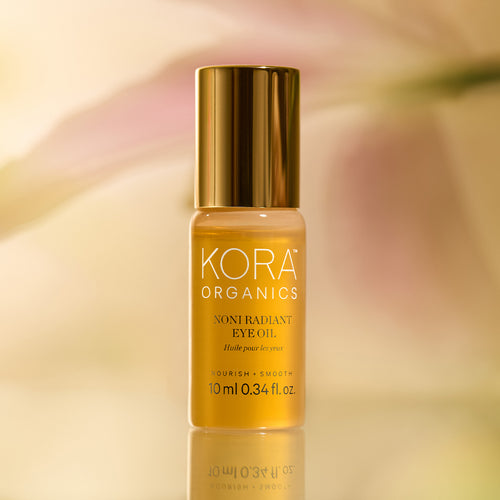
That is where Noni Radiant Eye Oil fits, especially for the “office-to-dinner” or “concealer all day” crowd.

A quick comparison (and how to pick, fast)
| Best for | Product | Price | Why it fits the crow’s feet problem right now |
|---|---|---|---|
| Daily firming + brightening support that still feels comfortable | Kakadu Plum Vitamin C Eye Cream | $64.00 | Matches the trend toward vitamin C derivatives and peptide-forward routines that aim for visible improvement without the “retinoid-style” trade-offs many people can’t tolerate around the eyes. |
| Crease-softening, makeup-prep slip, and a soothing application ritual | Noni Radiant Eye Oil | $46.00 | Fits the current “beauty ritual” moment (roller-ball, cooling tricks) while helping dryness-driven lines look less pronounced, especially in close-up and under concealer. |
Why crow’s feet look worse than they “should” (and what that means for product choice)
Crow’s feet show up for two main reasons, often at the same time:
-
Repeated expression + gradual loss of elasticity
Smile lines are normal. Over time, the skin’s springiness changes, and lines can start to linger. -
Dehydration and barrier stress around the eye contour
The eye area is quick to show dryness. When that happens, fine lines can read as deeper wrinkles, and makeup can settle into texture.
That’s why the most relevant trend in eye care right now is not just “stronger actives.” It is smarter pairing: a line-targeting step plus a comfort step that helps you stay consistent.
How to use these two products for real-world crow’s feet results
Morning: smooth, bright, and makeup-friendly (commutes and office days)
- Apply Kakadu Plum Vitamin C Eye Cream as your main eye step. This is the “daily driver” layer that suits the current preference for effective, lower-drama formulas around the eyes.
- If concealer tends to crease by noon, add Noni Radiant Eye Oil sparingly as a finishing touch. Think of it as a micro-dose of slip where texture usually shows first, especially at the outer corner where crow’s feet live.
Best situations for this pairing:
- Train or car commutes with dry air that leaves the eye area tight by mid-morning.
- Long screen days when the eye contour starts to look crinkled in afternoon light.
- Office-to-dinner transitions when you want to refresh without redoing your base. A light pass of an eye oil roller can make the area look less fatigued and less creased.
Night: support the look of firmness without overloading the eye area (travel days and recovery nights)
- Use Kakadu Plum Vitamin C Eye Cream as the core step.
- Follow with Noni Radiant Eye Oil if your eye area tends to feel dry, especially after flights, late nights, or cold weather exposure.
Best situations for the oil at night:
- Travel days when cabin air makes fine lines look suddenly more etched.
- Weekend errands when you skip a full face and want the eye area to look quietly polished without makeup.
The “beauty ritual” trend is not fluff. It’s compliance.
A major shift in skincare shopping right now is that people are choosing products they will actually use every day. That is one reason applicator-led eye products are having a moment, especially in social-first routines where cooling, rolling, and de-puffing gestures are part of the appeal.
Noni Radiant Eye Oil leans into this with a roller-ball format that supports a soothing application ritual. For a practical upgrade, many people store roller-based products in the fridge for a cooling effect, which can make morning application feel instantly more refreshing.
Consistency is what makes crow’s feet care pay off. Ritual helps consistency.
Clean, certified, and packaging-conscious is now part of “best”
Another trend shaping “best eye cream” recommendations is that shoppers increasingly expect more than vague clean claims. They want certification and specificity.
KORA Organics positions both eye products as COSMOS ORGANIC certified by ECOCERT Greenlife, with quantified natural-origin and organic-content percentages:
- Kakadu Plum Vitamin C Eye Cream: 99.7% natural origin; 70.0% of total ingredients from organic farming
- Noni Radiant Eye Oil: 99.9% natural origin; 95.8% of total ingredients from organic farming
On the sustainability front, KORA also describes brand-level efforts around measuring, offsetting, and reducing emissions from making and delivering products, plus ongoing packaging shifts since 2021 toward glass or post-consumer recycled resin (PCR) and FSC-certified recycled paper cartons. Importantly for habitual users, Kakadu Plum Vitamin C Eye Cream calls out replenishing with a refill pod to reduce waste, which fits the broader market move toward refillable skincare.
Bottom line: the best eye cream is a routine, not a unicorn
If crow’s feet are the priority, start with Kakadu Plum Vitamin C Eye Cream ($64.00) as the daily eye cream step. Then add Noni Radiant Eye Oil ($46.00) when you need extra comfort, better makeup behavior, or a quick refresh that makes lines look less pronounced in real-life lighting.
That two-step approach reflects what is happening in the market right now: effective-but-tolerable actives, paired with barrier-minded cushioning, delivered in formats people actually enjoy using every day.