




(0) Items
What's Actually Causing Your Dark Circles (And the Eye Creams That Address the Root Problem)
Posted by KORA Organics in The-organic-editDark circles are one of the most searched skincare concerns online, and for good reason: most products promise to fix them without explaining what's actually causing them. The answer matters, because different causes require different solutions. A brightening eye cream that works on pigmentation won't do much for hollowness, and a deeply hydrating formula won't correct a tone issue on its own.
This guide breaks down the real questions people ask about dark circles and points to the ingredients and products that are genuinely worth using.
Why Do Dark Circles Form in the First Place?
Dark circles form through three primary mechanisms, and most people are dealing with more than one simultaneously.
The first is pigmentation: excess melanin deposits in the skin under the eye, often from sun exposure, post-inflammatory response, or genetics. The second is vascular pooling: blood vessels beneath the thin under-eye skin become visible, creating a bluish or purplish cast. The third is structural shadowing: volume loss or fine lines create shadows that read as darkness even when the skin tone itself is even.
This is why brightening is only part of the solution. Effective treatment requires addressing pigmentation, improving circulation, and supporting the skin's structural integrity at the same time.
Does Vitamin C Actually Work on Dark Circles?
Yes, and it's one of the most evidence-supported ingredients for under-eye pigmentation specifically. Vitamin C inhibits melanin synthesis, meaning it works at the source of discoloration rather than simply reflecting light to create the appearance of brightness. It also neutralizes free radicals that accelerate pigment formation from UV exposure.
The challenge with vitamin C under the eye is stability and concentration. Synthetic ascorbic acid degrades quickly and can irritate the delicate under-eye area. Kakadu plum, which is native to Australia, contains one of the highest natural concentrations of vitamin C of any known food source, and it delivers that vitamin C in a form that is both potent and far gentler on sensitive skin.

The Kakadu Plum Vitamin C Eye Cream ($64) is built around this ingredient. It targets pigmentation directly while providing the hydration the under-eye skin needs to look plump and rested. For anyone whose dark circles have a brownish cast, this is the most targeted place to start.
What If My Dark Circles Look More Blue or Purple Than Brown?
A bluish or purplish tone under the eye is typically vascular in origin. The skin in this area is some of the thinnest on the face, and when circulation is sluggish or the skin barrier is compromised, underlying blood vessels become more visible.
The solution here is twofold: improve microcirculation and strengthen the skin barrier so it provides better coverage over those vessels.

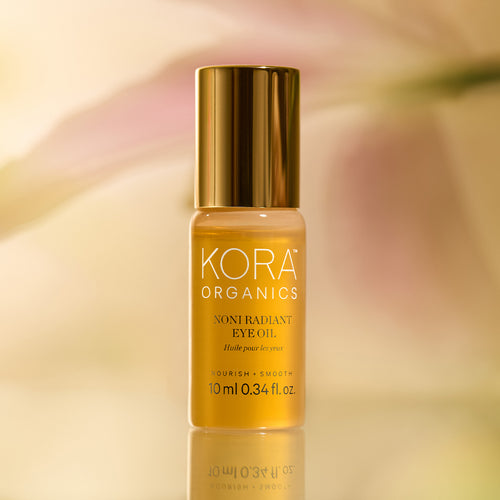
The Noni Radiant Eye Oil ($46) addresses both. Noni is rich in iridoids, compounds known for their antioxidant activity and support of healthy circulation. Applied with gentle tapping motions around the orbital bone, the oil helps stimulate blood flow while deeply nourishing the skin to reduce the translucency that makes vascular darkness so visible. It works particularly well layered under the Kakadu Plum Eye Cream for anyone dealing with both pigmentation and vascular concerns.
Can Retinol Help With Dark Circles?
Retinol improves dark circles through a different mechanism than vitamin C. By accelerating cell turnover, it helps shed pigmented surface cells faster and stimulates collagen production, which thickens the skin over time and reduces the structural shadowing that contributes to a hollowed, darkened appearance.
The drawback is that traditional retinol is notoriously irritating around the eyes, where the skin is already fragile. This is where a retinol alternative becomes genuinely useful rather than just a marketing workaround.

The Plant Stem Cell Retinol Alternative Serum ($80) combines bakuchiol and alfalfa to deliver retinol-like cell turnover benefits without the irritation risk. In consumer studies, 80% of users described it as more effective than traditional retinol products they had used previously. Applied to the face and carefully along the orbital bone, it supports the skin renewal that makes brightening actives work more effectively over time.
Does Cleansing Matter for Under-Eye Darkness?
This is an underrated factor. Incomplete makeup removal, particularly waterproof mascara and eyeliner, creates chronic low-grade irritation around the eye area. That irritation triggers post-inflammatory pigmentation, which compounds existing dark circles over time. Heavy rubbing during cleansing causes the same problem.

The Milky Mushroom Gentle Cleansing Oil ($48) dissolves eye makeup on contact without requiring friction. Silver ear mushroom provides moisture retention so the cleansing step doesn't strip the skin. In testing, 100% of users reported it effectively removed impurities without irritation. For anyone working to correct dark circles, protecting the under-eye skin from daily cleansing damage is a non-negotiable foundation.
How Do These Products Work Together?
| Product | Primary Benefit | Best For |
|---|---|---|
| Kakadu Plum Vitamin C Eye Cream | Targets melanin-based pigmentation | Brown or pigmented dark circles |
| Noni Radiant Eye Oil | Improves circulation, thickens skin | Blue or purple vascular dark circles |
| Plant Stem Cell Retinol Alternative Serum | Accelerates cell turnover, builds collagen | Structural shadowing and fine lines |
| Milky Mushroom Gentle Cleansing Oil | Prevents irritation-driven pigmentation | Daily makeup removal without friction |
How Long Does It Take to See Results?
Pigmentation takes longer to shift than most people expect. Melanin lives in the deeper layers of the skin, and it takes several cell turnover cycles to see meaningful change. With consistent use of a vitamin C eye cream and a cell-renewing serum, most people begin to notice a difference at the four to six week mark, with more significant improvement by twelve weeks.
Vascular darkness responds faster in some cases, particularly when improved circulation and barrier support are introduced. The Noni Eye Oil, used nightly, often shows visible improvement in under-eye translucency within two to three weeks.
The most important variable is consistency. Dark circles are a chronic concern for most people, not an acute one. The routine that works is the one that gets used every day.