




(0) Items
What to Put on Your Eyes Before Makeup (And Why Order Matters)
Posted by KORA Organics in The-organic-editMost makeup routines start at the wrong step. Primer goes on, foundation follows, concealer covers what's left, and somewhere in that sequence, the eye area gets a quick tap of whatever is closest. The result: creasing by noon, a tight feeling under the eyes by afternoon, and concealer that settles into fine lines instead of smoothing over them.
The under-eye area is the thinnest, most delicate skin on the face. It loses moisture faster, shows fatigue more visibly, and reacts more dramatically to skipped steps than anywhere else. Getting it right before makeup isn't complicated, but it does require the right products applied in the right order.
Here's what that actually looks like.
The Problem Most People Don't Realize They Have
Puffiness, dark circles, and fine lines are the obvious concerns. But the issue that most directly affects how makeup wears is dehydration. Dry, depleted skin under the eyes creates a textured surface that no concealer, however good, can fully disguise. It also causes makeup to oxidize faster and break down at the crease.
There's a broader shift happening in how consumers approach this. Searches for "pre-makeup skincare" and "skin prep routine" have grown significantly over the past two years, driven by a generation of beauty users who've moved away from using makeup to cover skin and toward using skincare to improve it. The logic is simple: better skin prep means less product needed on top.
The eye area is where that logic pays off most visibly.
Start with a Clean Surface
Before any treatment product goes on, the skin needs to be clean. Residue from overnight skincare, sleep, or previous makeup sits in the fine lines around the eyes and prevents anything applied afterward from absorbing properly.

The Milky Mushroom Gentle Cleansing Oil ($48) handles this without the stripping that most cleansers inflict on the eye area. Its dual-phase formula uses silver ear mushroom, which holds up to 500 times its weight in water, to dissolve makeup and impurities while actively maintaining moisture levels in the skin. In consumer testing, 100% of users reported that it removed impurities without irritation. That matters specifically around the eyes, where harsh cleansers trigger inflammation and puffiness that then need to be treated before makeup can go on.
Apply it with light, outward strokes around the orbital bone. Rinse thoroughly. The skin should feel clean but not tight.
Treat Before You Conceal
This is the step most routines skip entirely. After cleansing and before any makeup, the under-eye area needs a dedicated treatment product. Not a general moisturizer patted close to the eye, but something formulated specifically for the concerns that make the eye area age and look fatigued faster than the rest of the face.

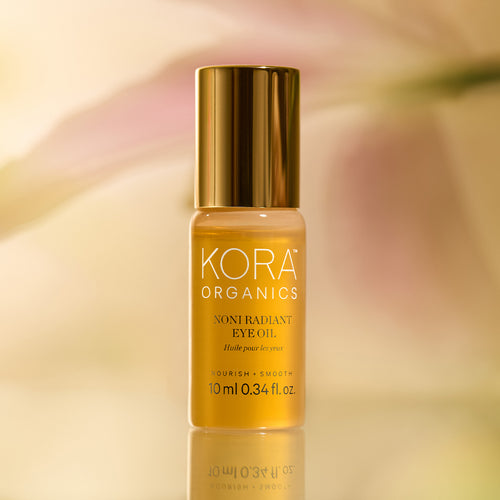
The Noni Radiant Eye Oil ($46) addresses three of the most common pre-makeup problems at once. Noni extract, rich in iridoids, supports collagen production and helps visibly firm the skin. Rosehip oil delivers essential fatty acids that repair the lipid barrier, which is what keeps moisture locked in through a full day of wear. Vitamin C brightens the appearance of dark circles without irritation.
The oil texture absorbs quickly enough to work as a pre-makeup step without creating slip that causes concealer to move. Apply two to three drops, warm between fingertips, and press gently around the orbital bone. Wait two minutes before moving to the next step.
Address the Rest of Your Face in the Same Session
The eye area doesn't exist in isolation. If the surrounding skin is dehydrated, dull, or showing early signs of aging, concealer will look patchy at the edges regardless of how well the under-eye is prepped.

After eye treatment, the Active Algae Minty Mist ($47) sets the tone for the rest of the face. Microalgae and hyaluronic acid deliver a fast, lightweight layer of hydration that primes skin for foundation without adding weight. It also helps balance oil levels, which means makeup adheres more evenly and lasts longer. Mist from arm's length, let it settle for thirty seconds, and proceed to makeup.
For anyone dealing with more pronounced signs of aging around the eye area and across the face, the Anti-Aging Duo ($129) is worth incorporating into the evening routine to support what the morning prep is doing. The Plant Stem Cell Retinol Alternative Serum, part of this kit, uses bakuchiol and alfalfa to smooth fine lines without the sensitivity that traditional retinol causes, and 80% of users in consumer testing described it as more effective than retinol products they had used previously. Consistent evening use translates directly into better skin texture in the morning, which means less prep work before makeup and a smoother finish overall.
The Pre-Makeup Eye Routine at a Glance
| Step | Product | What It Solves |
|---|---|---|
| Cleanse | Milky Mushroom Gentle Cleansing Oil ($48) | Removes residue without stripping or causing puffiness |
| Treat | Noni Radiant Eye Oil ($46) | Firms, brightens, and seals in moisture before concealer |
| Prep | Active Algae Minty Mist ($47) | Hydrates and balances the full face for even makeup application |
| Evening support | Anti-Aging Duo ($129) | Reduces fine lines overnight so morning prep goes further |
Keep Your Routine Organized

One practical note: a pre-makeup routine with multiple steps only stays consistent when the products are easy to access. The Vegan Leather Beauty Bag ($$17.50) keeps everything together without the clutter that causes steps to get skipped. It's a small detail that makes a real difference in routine compliance.
What Changes When You Get This Right
Concealer sits differently on properly prepped skin. It blends more easily, adheres without creasing, and holds through the day without the midday settling that makes fine lines more visible. Dark circles appear less pronounced because the skin underneath is hydrated and the surface is smooth rather than textured.
The shift toward skincare-first beauty isn't a trend that's going away. It reflects a more accurate understanding of how makeup actually performs, which is entirely dependent on the skin it's applied to. The eye area, given how quickly it shows neglect and how dramatically it responds to proper care, is the best place to start.