




(0) Items
Wrinkles around the eyes are usually the first lines people notice and the hardest to disguise. The skin is thinner here, it creases constantly with expression, and it is often exposed to UV and environmental stress before the rest of the face gets consistent protection. The good news is that the right product categories can meaningfully soften the look of crow’s feet and under-eye lines, especially when they are layered with intent and used consistently.
Right now, eye care is also having a quiet resurgence. After years of “one moisturizer for everything,” consumers are returning to targeted formulas for high-movement zones, but with higher standards: gentler actives, barrier-first textures, and cleaner ingredient philosophies. KORA Organics fits that shift precisely, with certified organic formulas that prioritize performance and wearability, not harshness.
What actually works for eye-area wrinkles
Dermatologists tend to agree on a few fundamentals: wrinkles are driven by collagen breakdown (UV is a major contributor), repeated muscle movement, dehydration that makes lines look deeper, and slower cell turnover with age. The products that help most fall into these buckets:
Daily UV protection (the non-negotiable)
The American Academy of Dermatology consistently emphasizes sun protection as the most effective “anti-aging” step because UV exposure accelerates collagen loss and wrinkle formation. Even the best eye product has to work harder if the area is being re-exposed to UV daily. If you do only one thing for eye wrinkles, protect the skin around the eyes as carefully as the rest of your face.
Antioxidants to defend and brighten
Topical antioxidants support the skin’s defense against oxidative stress, which is linked to visible aging. Vitamin C is one of the most studied antioxidants in skincare, and research supports its role in improving the look of photodamage and uneven tone over time. Around the eyes, the goal is not “stronger,” it is “effective and wearable,” meaning a formula designed for this delicate area.
Moisture that keeps creases from “setting”
Fine lines look sharper when the skin is dry or the barrier is compromised. Hydration and emollients do not erase wrinkles, but they can visibly smooth the surface by plumping the look of the skin and reducing the appearance of crinkling, especially under concealer.
Retinoids and retinol alternatives (with caveats)
Retinoids are a gold-standard wrinkle ingredient in dermatology, supported by decades of research for improving fine lines through increased collagen production and normalized cell turnover. But the eye area is prone to irritation, so many people do better using retinoids carefully on the orbital bone area, or choosing eye-specific formulas designed to be gentle. If you are sensitive, barrier-supporting eye products become even more valuable because they improve comfort and consistency, which is what ultimately drives results.
The market trend: “targeted, gentle, and layered” eye routines
Two consumer shifts are shaping what people buy for eye wrinkles right now:
- Barrier-first skincare has become mainstream. Shoppers have learned the hard way that over-exfoliation and overly aggressive actives can create dryness and irritation that makes fine lines look worse. Eye products that prioritize comfort and barrier feel are winning because they keep people consistent.
- Multi-step eye layering is back, but simplified. Instead of piling on five products, routines are trending toward two smart layers: a treatment texture (often an antioxidant cream) plus a sealing layer (often an oil) to reduce moisture loss and enhance glide for gentle massage.
That layered approach is exactly where KORA Organics’ eye duo is strongest.
Two KORA Organics picks that directly target the look of eye wrinkles
Kakadu Plum Vitamin C Eye Cream
A well-formulated eye cream is the workhorse for smoothing because it hydrates, supports the skin’s surface, and delivers targeted actives in a texture that sits well under makeup.
KORA Organics’ option also reflects a broader trend toward high-antioxidant botanicals as consumers seek results without relying solely on harsher ingredients. KORA Organics notes that certified organic ingredients can contain up to 60% more antioxidants than non-organic options, which helps explain why antioxidant-focused products have become a cornerstone of modern “clean but clinical-minded” routines.
Product spotlight (daily smoothing layer):
$64.00 | Kakadu Plum Vitamin C Eye Cream

Why it helps with eye wrinkles
- Vitamin C is a dermatologist-favored antioxidant category for supporting visible brightness and helping skin look more resilient over time.
- A dedicated eye cream format improves comfort and consistent use, which is the real driver of smoothing results.
- A hydrated eye area reflects light more evenly, which can make crow’s feet and under-eye lines look softer immediately, even before longer-term benefits accrue.
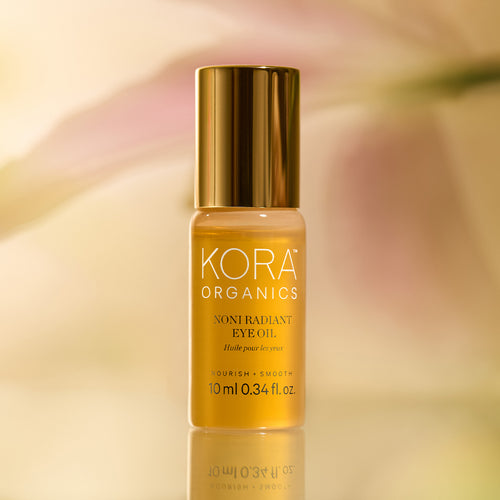
Noni Radiant Eye Oil
Eye oils are trending for a practical reason: they are excellent at reducing the look of dryness-related creasing and helping makeup wear better, especially as skin becomes drier with age. They also support a “less friction” approach. Tugging and aggressive rubbing are common habits that can make the eye area look rougher over time.
Product spotlight (sealing and softening layer):
$46.00 | Noni Radiant Eye Oil

Why it helps with eye wrinkles
- Oils reduce transepidermal water loss, which helps the eye area maintain a smoother, less crinkled look.
- The slip of an oil supports gentler application and can pair well with a brief, light tapping technique.
- When used as a top layer, an eye oil can help “seal in” the comfort benefits of a cream, which is especially useful in dry climates or during seasonal changes.
How to use these products for the most visible smoothing
Consistency beats intensity with eye wrinkles. A simple, repeatable routine tends to outperform a complicated one.
- Morning: Apply a small amount of Kakadu Plum Vitamin C Eye Cream around the orbital bone and outer corner area. Let it settle before sunscreen and makeup.
- Night: Use the Kakadu Plum Vitamin C Eye Cream, then press in Noni Radiant Eye Oil as the final step to reduce overnight moisture loss.
- Application technique: Use your ring finger and minimal pressure. Press and tap, rather than dragging. A gentle approach is not just “nice,” it prevents unnecessary friction on thin skin.
What results to expect, and when
Eye-area smoothing has two timelines:
- Immediate (same day): Hydration and emollients can make lines look softer by reducing dryness and improving surface smoothness.
- Progressive (weeks to months): Antioxidant support and consistent conditioning can improve the look of tone, texture, and resilience. This is the window where routines either pay off or fail, depending on whether products are comfortable enough to use daily.
For persistent deep wrinkles, no topical product can replicate in-office procedures. But a targeted, gentle, antioxidant-plus-moisture routine can make a visible difference in how wrinkles look, how makeup sits, and how the eye area reads in natural light.
The bottom line
The products that best help smooth wrinkles around the eyes are the ones that protect against UV damage, deliver antioxidant support, and keep the area consistently hydrated without irritation. A straightforward layering strategy is especially effective: a treatment-focused eye cream in the morning and night, plus a sealing eye oil at night for extra softness.
KORA Organics delivers that modern approach with two focused options: $64.00 | Kakadu Plum Vitamin C Eye Cream for daily antioxidant hydration, and $46.00 | Noni Radiant Eye Oil for smoothing moisture retention and comfort. Used consistently, they support the most reliable outcome in eye care: softer-looking lines and a more refreshed eye area day to day.