



(0) Items
The Skin Problems You've Been Solving Wrong (And Three Products That Actually Fix Them)
Posted by KORA Organics in The-organic-editMost skincare frustration doesn't come from a lack of effort. It comes from mismatched solutions. You buy a brightening serum for dull skin and end up with irritation. You layer oils hoping for glow and get greasiness instead. You treat your hands and body as an afterthought, then wonder why your complexion work isn't translating into an overall sense of vitality. The products below address three specific, common problems with formulations built around ingredients that have earned their place through science, not marketing copy.
When the Eye Area Stops Responding to Everything You Try
The skin beneath and around the eye is structurally different from the rest of the face. It's thinner, has fewer sebaceous glands, and is subject to constant mechanical stress from blinking and expression. This is why products formulated for the cheeks or forehead frequently do nothing useful when applied to the orbital area. Generic moisturizers can be too heavy, causing milia. Vitamin C serums formulated for broader facial use can be too potent and cause sensitivity in this zone.

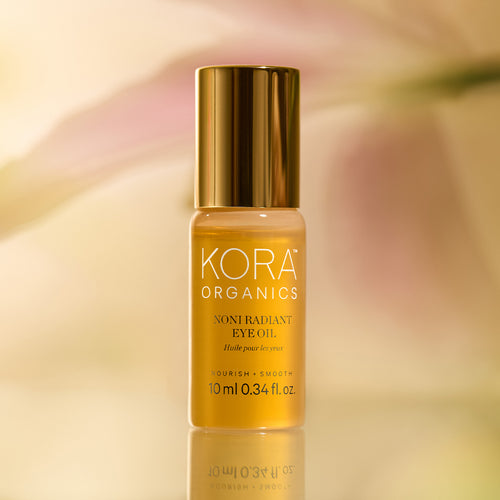
The Kakadu Plum Vitamin C Eye Cream ($64.00) is formulated specifically for this challenge. Kakadu plum is one of the most vitamin C-dense botanicals on earth, with concentrations that outpace synthetic ascorbic acid alternatives in natural form. The advantage here is stability and gentleness: botanical vitamin C sources tend to be less volatile than pure L-ascorbic acid, which degrades rapidly on exposure to light and air and can cause stinging in sensitive areas. For a zone as reactive as the undereye, that distinction is meaningful.
The cream targets dark circles, fine lines, and loss of firmness in one application. This is a product doing targeted, evidence-backed work in a category that often relies on vague claims.
When Your Skin Looks Tired No Matter How Much You Sleep
Dull, flat skin that doesn't respond to hydration is often a barrier problem, not a moisture problem. When the skin's lipid matrix is compromised, it can't retain water effectively, and no amount of water-based hydration will compensate. The skin also loses its ability to reflect light evenly, which is what creates the appearance of radiance. This is a structural issue that requires lipid replenishment, not just surface-level treatment.

The Noni Glow Face Oil ($78.00) addresses this directly. Noni, derived from Morinda citrifolia, is rich in iridoids, a class of phytochemicals with demonstrated antioxidant and anti-inflammatory properties. Antioxidants in topical application help neutralize free radical damage, one of the primary drivers of accelerated skin aging and the breakdown of the extracellular matrix. Rosehip oil, another key component, is a recognized source of trans-retinoic acid precursors and essential fatty acids that support barrier repair.
What separates a well-formulated face oil from a poorly chosen one is molecular weight and composition. Oils that are too heavy or comedogenic sit on the skin's surface and block pores. The Noni Glow Face Oil is designed to absorb, not coat, which means it works with your skin's natural processes rather than creating a physical seal that traps congestion. The result is skin that genuinely looks more luminous because the barrier is functioning better, not because there's a film of oil catching the light.
When Body Care Feels Like a Compromise
There's a tendency to invest in the face and treat everything below the neck as secondary. The practical result is that people use harsh, fragrance-heavy body washes that strip the skin's natural oils, then wonder why their skin feels tight, dry, or reactive. The hands, in particular, are washed dozens of times daily and exposed to environmental stressors constantly. Treating them with the same low-grade products you'd use on a kitchen counter is a real, measurable problem for skin health.

The Renewing Hand & Body Wash - Sale ($39.75) is built on a different premise: that cleansing the body should support the skin barrier, not undermine it. The formulation uses certified organic ingredients and avoids the sulfate-heavy surfactant systems that generate a satisfying lather but leave skin stripped of its natural lipid layer. Cleansers that maintain a skin-compatible pH and use gentler surfactant systems have been shown in dermatological literature to cause significantly less barrier disruption than conventional alternatives.
This product is currently on sale, which makes it a practical entry point for people who want to extend the care they give their face to the rest of their body without a significant financial commitment. Consistency in body care pays compounding dividends over time, and starting with a formulation that doesn't work against your skin is the most efficient path to that consistency.
How These Three Products Work as a System
The eye cream addresses a specific zone with targeted actives. The face oil restores the barrier function that makes everything else work better. The body wash ensures that the skin you're not thinking about isn't being actively damaged by the products cleaning it.
| Product | Primary Problem Solved | Key Active | Price |
|---|---|---|---|
| Kakadu Plum Vitamin C Eye Cream | Dark circles, fine lines, undereye sensitivity | Kakadu plum vitamin C | $64.00 |
| Noni Glow Face Oil | Dullness, barrier compromise, free radical damage | Noni, rosehip | $78.00 |
| Renewing Hand & Body Wash - Sale | Barrier-stripping cleansers, neglected body care | Certified organic surfactant blend | $39.75 |
Every KORA Organics product is certified organic, vegan, cruelty-free, gluten-free, and non-GMO. That's not a list of ethical checkboxes. Certified organic formulations contain measurably higher concentrations of antioxidants than their non-organic counterparts, a difference that shows up in how the products perform, not just how they're positioned.
The three problems outlined here are specific, common, and genuinely solvable.