




(0) Items
The Right Eye Care Products to Use Before Makeup, and Why Order Matters
Posted by KORA Organics in The-organic-editThe eye area is the first place makeup settles into fine lines, creases, and dry patches. Most people apply concealer and move on, not realizing that what goes on the skin before foundation determines how everything looks by noon. Prepping the eye area properly is not a luxury step. It is the reason your makeup stays put and your skin looks smooth underneath it.
Right now, that message is landing. Searches around pre-makeup skincare have climbed steadily as consumers shift focus from coverage to skin quality. The "skinimalism" trend, which prioritizes skin condition over product layering, has pushed eye care specifically into the spotlight. When skin looks good, less concealer is needed. That starts with the prep.
Here is what actually belongs in your pre-makeup eye routine, and what to use at each step.
Start With a Clean Slate
No eye prep works on top of leftover residue. If you wore makeup the night before or used a heavy overnight product, your morning cleanse matters more than most people acknowledge.

The Milky Mushroom Gentle Cleansing Oil ($48) is a dual-phase formula built for exactly this. It dissolves makeup and impurities without stripping the skin around the eyes, which is thinner and more reactive than the rest of the face. Silver ear mushroom, one of its key ingredients, holds moisture during the cleansing process so the skin is not left tight or dry going into the next step. In an independent consumer study, 100% of users reported it removed impurities without causing irritation.
That matters at the eye area more than anywhere else. Tugging, friction, or a harsh cleanser in this zone disrupts the skin barrier, which makes concealer crease faster and causes puffiness to look worse.
Address the Skin Condition First
After cleansing, the skin around the eyes needs targeted treatment before any moisturizer or primer goes on. This is where most routines skip a step.
A treatment serum applied to the orbital area works on the underlying skin concerns that makeup cannot fix: uneven texture, early fine lines, and dullness. The Plant Stem Cell Retinol Alternative Serum ($80) addresses all three.

It combines bakuchiol, a plant-derived retinol alternative, with alfalfa stem cells to smooth fine lines and support cell turnover without the irritation that conventional retinol causes. That distinction is relevant here: traditional retinol is generally not recommended for the delicate eye area due to sensitivity. Bakuchiol delivers comparable smoothing results with a gentler profile, which makes it suitable for use near the eyes.
The trend toward retinol alternatives has accelerated in recent years, with bakuchiol in particular gaining recognition from dermatologists as a credible substitute. Eighty percent of users in an independent study described this serum as more effective than traditional retinol products they had used previously.
Apply a small amount around the orbital bone after cleansing and allow it to absorb before moving to the next step.
Lock In Hydration With a Dedicated Eye Product
A serum addresses texture and tone. An eye-specific product addresses hydration, brightness, and the visual concerns that sit closest to the surface. These are two different jobs, and they work best when both are done.
| Product | Key Benefit | Best For | Price |
|---|---|---|---|
| Kakadu Plum Vitamin C Eye Cream | Brightens dark circles, firms skin | Morning prep, pre-concealer | $64 |
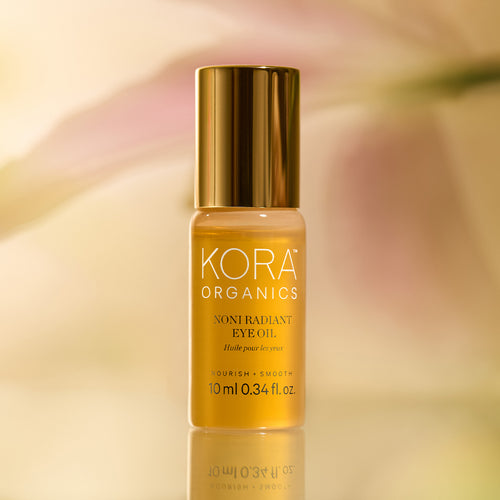
| Noni Radiant Eye Oil | Deep hydration, plumps fine lines | Dry skin, mature skin, dehydration | $46 |
The Kakadu Plum Vitamin C Eye Cream ($64) is built around one of the most potent natural sources of vitamin C available. Kakadu plum contains significantly higher concentrations of vitamin C than most synthetic alternatives, which translates to visible brightening at the under-eye area and firming along the orbital bone. For anyone dealing with dark circles or dullness before makeup, this is the product that addresses both at the source rather than masking them with coverage.

For skin that leans dry or shows visible fine lines when foundation is applied, the Noni Radiant Eye Oil ($46) adds a layer of concentrated hydration that plumps the skin before makeup touches it. Dehydrated skin under the eyes is the primary reason concealer settles into creases. A lightweight oil applied and allowed to absorb fully creates a smoother surface and reduces that effect significantly.

Both products are certified organic, vegan, cruelty-free, and free from synthetic fragrance, which matters for the eye area where sensitivity is common and reactions happen quickly.
The Absorption Window
Timing is the part of this routine that most guides leave out. Applying makeup directly over skincare that has not fully absorbed is one of the main reasons eye makeup slides or looks patchy.
After applying your eye oil or cream, give it three to five minutes before reaching for concealer or primer. That window is enough for the product to bind to the skin rather than sitting on top of it. The result is a surface that foundation and concealer adhere to properly, rather than one that repels or shifts product.
This is a small adjustment with a visible difference.
Why This Routine Reflects Where Skincare Is Heading
The broader shift in beauty right now is away from heavy coverage and toward skin that is genuinely prepared. Consumers are investing in skincare that makes makeup optional, not mandatory. The eye area is central to that shift because it is where aging, fatigue, and dehydration show up first and most clearly.
Products like the ones in this routine are gaining traction precisely because they deliver results that show through makeup, not just underneath it. Certified organic formulations with clinically supported ingredients are no longer a niche preference. They are the standard a growing number of consumers are holding every product to.
Prep the skin well, and the makeup takes care of itself.