





(0) Items
The Best Eye Cream for Crow's Feet, According to What Your Skin Actually Needs
Posted by KORA Organics in The-organic-editCrow's feet are one of the first signs of aging most people notice, and they're also one of the most resistant to treatment. The skin at the outer corners of the eyes is thinner than anywhere else on the face, has fewer oil glands, and is constantly moving. Every squint, smile, and blink deepens those lines over time. A generic moisturizer won't cut it here. What that area needs is a targeted combination of antioxidant protection, structural support, and genuine hydration.
Here's what to look for, what to avoid, and which products are worth the investment.
Why Crow's Feet Are Harder to Treat Than Other Fine Lines
The periorbital area, the skin surrounding the eye, is structurally different from the rest of the face. It's thinner, more delicate, and more prone to trans-epidermal water loss, which is the process by which moisture evaporates through the skin barrier. When that barrier is compromised, fine lines become more visible and collagen breakdown accelerates.
Dermatologists consistently point to two primary drivers of crow's feet: photoaging from cumulative UV exposure, and repetitive muscle movement. The first causes oxidative damage to collagen fibers. The second creates creasing patterns in skin that has lost its elasticity. Treating crow's feet effectively means addressing both.
This is why the ingredients in your eye cream matter more than the price tag or the packaging. The formulation has to deliver antioxidants to neutralize free radical damage, actives that signal the skin to rebuild collagen, and emollients that restore the moisture barrier without irritating the area.
The Ingredient Criteria Worth Knowing
Not all eye creams are formulated to do the same job. When evaluating options for crow's feet specifically, these are the ingredient categories that have demonstrated results:
- Vitamin C (stabilized forms): Neutralizes oxidative stress, inhibits melanin production, and supports collagen synthesis. The key is stabilization. Unstabilized ascorbic acid degrades quickly and can irritate sensitive skin.
- Retinol alternatives (bakuchiol, plant stem cells): Retinol is clinically proven to increase cell turnover and stimulate collagen, but the eye area is often too sensitive for conventional retinol. Plant-derived alternatives like bakuchiol have shown comparable effects in peer-reviewed research with significantly less irritation.
- Hydrating emollients (plant oils, ceramides): The moisture barrier around the eye needs consistent reinforcement. Dry skin deepens the appearance of lines.
- Antioxidant botanicals: Ingredients like noni fruit, rosehip, and superfruits with high ORAC values protect against the environmental damage that accelerates crow's feet in the first place.
The KORA Organics Approach to the Eye Area
KORA Organics formulates specifically for the sensitivity and structural demands of the periorbital zone. Every product in the range is certified organic, vegan, cruelty-free, and non-GMO, which matters not just for ethical reasons but for efficacy. Certified organic ingredients contain measurably higher concentrations of antioxidants than their conventional counterparts, which translates directly to better protection against the oxidative damage that drives crow's feet.
The Core Eye Cream

The Kakadu Plum Vitamin C Eye Cream ($64) is built around Kakadu plum, a native Australian superfruit that holds the highest recorded natural concentration of Vitamin C of any food source on earth. That level of antioxidant density means the skin around the eye is getting genuine protection against photoaging, not a trace amount of ascorbic acid added for marketing purposes.
The formulation addresses crow's feet from multiple angles: brightening dark circles, smoothing fine lines, and reinforcing the moisture barrier. It absorbs without pilling under concealer, which is a practical problem with many eye creams that doesn't get enough attention.
The Treatment Layer

For crow's feet that are already established, a serum-level treatment applied before the eye cream can significantly improve results. The Plant Stem Cell Retinol Alternative Serum ($80) combines bakuchiol and alfalfa to smooth fine lines and support collagen production without the irritation that makes traditional retinol difficult to use near the eyes. In independent consumer studies, 80% of users described it as more effective than conventional retinol products they had used previously. Applied to the outer corners before the eye cream, it works at the structural level while the eye cream handles surface hydration and protection.
The Hydration Foundation

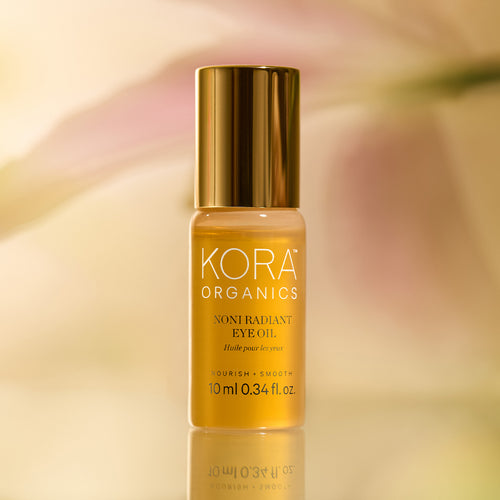
For skin that is particularly dry or crepey around the eye area, an oil-based treatment adds a layer of moisture that cream formulations alone cannot replicate. The Noni Radiant Eye Oil ($46) delivers concentrated noni extract and botanical oils that soften the look of crow's feet by deeply replenishing the lipid barrier. It can be used alone at night or layered under the eye cream for an intensive treatment.
How These Products Work Together
| Product | Primary Role | When to Use | Price |
|---|---|---|---|
| Kakadu Plum Vitamin C Eye Cream | Antioxidant protection + hydration | Morning and evening | $64 |
| Plant Stem Cell Retinol Alternative Serum | Collagen support + cell renewal | Evening, before eye cream | $80 |
| Noni Radiant Eye Oil | Barrier repair + deep hydration | Evening or as needed | $46 |
The Cleansing Step That Most People Overlook

Aggressive cleansing around the eye area strips the very moisture barrier that eye creams are working to rebuild. Rubbing to remove mascara or using harsh foaming cleansers on the orbital area introduces friction and irritation that compounds the problem. The Milky Mushroom Gentle Cleansing Oil ($48) dissolves eye makeup with zero tugging, and its silver ear mushroom base actively supports moisture retention during the cleanse. In consumer testing, 100% of users reported it removed impurities without irritation. That's the foundation the rest of the routine depends on.
What to Expect From a Consistent Routine
Crow's feet that have developed over years will not disappear in a week. What a well-formulated routine can realistically deliver in four to six weeks is a visible softening of fine lines, improved texture and hydration, and a reduction in the dullness and creasing that makes the eye area look fatigued. The antioxidant protection from Vitamin C and certified organic botanicals works cumulatively, meaning the longer the routine is maintained, the more it prevents new damage from compounding existing lines.
The combination of targeted Vitamin C, a plant-based collagen-supporting treatment, and barrier-reinforcing hydration is the most evidence-backed approach available without a clinical procedure. KORA Organics delivers all three in formulations that are clean, certified, and designed specifically for the sensitivity of the eye area.