




(0) Items
Dehydrated skin is a water problem. Dull skin is often a light-reflection problem. Natural face oils can help with both, but only when they are used for what they do best: cushioning the skin, reducing moisture loss, and restoring the comfortable, “lit-from-within” look that comes from a smoother surface.
A quick distinction matters here. “Dry” skin typically means a lack of oil. “Dehydrated” skin means a lack of water, and it can happen to any skin type, including oily. Dermatology research consistently shows that skin feels and looks better when the stratum corneum (the outermost layer) is well hydrated and its barrier lipids are supported, because that reduces transepidermal water loss (TEWL) and roughness that scatters light. Face oils sit on top of skin and in the upper layers of that barrier. They do not add water, but they can help keep water from escaping.
What a face oil can do for dehydration and dullness
A well-chosen face oil can improve how skin looks and feels in three practical ways.
First, it helps seal in hydration. Occlusive and semi-occlusive ingredients slow TEWL, which is one reason moisturizers and emollients are a cornerstone of dry-skin care in clinical guidance.
Second, it softens rough edges on the surface. When dry patches and micro-flaking settle down, skin reflects light more evenly, so it looks less dull.
Third, it supports barrier comfort. Plant oils vary widely in their fatty acid profiles. Reviews in the cosmetic science literature note that certain plant oils can support barrier function and reduce inflammation markers, while others can be irritating or disrupt the barrier depending on composition and the individual’s skin.
The key is matching the oil to the problem. Dehydrated, dull skin usually needs barrier-friendly emollience, not just “glow.”
What to look for in a natural face oil
Not all “natural oils” behave the same on skin. Three selection criteria matter most.
Fatty acid balance that plays well with the barrier. Research has shown meaningful differences between oils that are higher in linoleic acid versus those high in oleic acid. In a frequently cited controlled study, sunflower seed oil supported the skin barrier, while olive oil impaired barrier integrity and increased erythema in some participants. This does not mean olive oil is “bad” for everyone, but it does mean composition matters if dehydration is the main complaint.
A finish that you will actually wear. Heavy oils can look glossy, then feel suffocating. Very “dry” oils can feel elegant but may not do enough for TEWL. The best oil is the one that fits under sunscreen and makeup without pilling, because consistent use is what changes the look of skin.
Low irritation potential. Fragrance and sensitizing essential oil components are common triggers for reactive skin. Patch testing is still the simplest filter: apply a small amount behind the ear or along the jaw for several nights and watch for stinging or bumps.
A quick guide to oil types and what the research suggests
The most useful way to shop is by function, not hype. This table keeps the decision grounded.
| What you’re trying to fix | Oil profile that often helps | What to watch for | Evidence snapshot |
|---|---|---|---|
| Dehydration (tightness, makeup clinging, “crepey” look) | Barrier-supportive emollients, often higher in linoleic acid | Very high-oleic oils may not suit compromised barriers | Plant oil composition influences barrier lipids and inflammation pathways. |
| Dullness (flat tone, uneven reflection) | Smoothing emollience that reduces micro-flaking | Over-applying can look greasy and emphasize texture | Moisturization reduces roughness and improves optical uniformity. |
| Dehydration plus sensitivity | Minimalist formulas and patch testing | Fragrance allergens and overly active blends | Irritant and allergen exposure can worsen barrier symptoms. |
One standout option from KORA Organics for dehydrated, dull skin
KORA Organics is built around certified organic skincare with a sensorial approach that still prioritizes performance. For skin that reads dehydrated and looks flat, a face oil is often the most direct “seal and soften” step in a routine.

| Product | Category | Price |
|---|---|---|
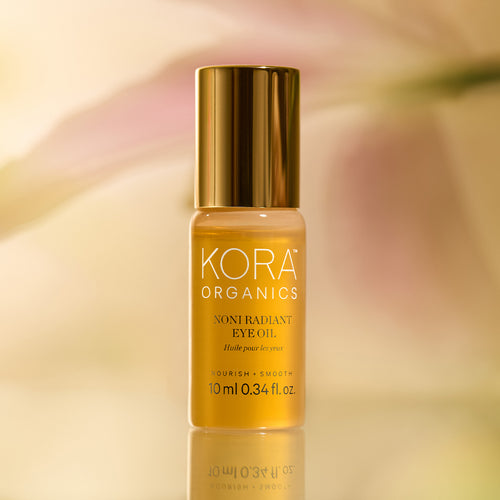
| Noni Glow Face Oil | Moisturizers | $78.00 |
Why it fits this search query: a face oil is specifically designed to finish a routine by reinforcing comfort and radiance. For dehydrated skin, that “finishing” function matters because TEWL happens at the surface. For dullness, the immediate payoff is often visible: skin looks smoother and more even, especially around dry-prone areas.
How to use a face oil so it actually helps dehydration
The most common reason face oils “don’t work” for dehydration is application order. Oil locks in what is already there. If there is no water layer underneath, there is less to lock in.
A simple, effective approach:
- Apply your water-based steps first (cleanser, mist, serum, or moisturizer). Aim for skin that feels comfortably damp, not wet.
- Press 2 to 4 drops of face oil into the skin, concentrating on the outer cheeks and any tight zones.
- Give it a minute before sunscreen. This reduces sliding and helps makeup sit better.
This method aligns with how moisturization is discussed in clinical and cosmetic literature: combine water-binding hydration with a barrier-supporting layer that slows evaporation.
How to tell if your oil is the right match
Dehydrated, dull skin responds quickly when the match is correct. Look for these signals within the first one to two weeks of consistent use:
- Tightness decreases, especially after cleansing.
- Foundation clings less around the nose and mouth.
- Skin looks smoother in angled light, not just shinier.
- Fewer “sudden” dry patches show up during weather changes.
If skin looks glossy but still feels tight, the routine likely needs more water-based hydration under the oil. If redness or stinging increases, patch test and simplify.
The bottom line
The best natural face oil for dehydrated or dull skin is one that supports the barrier, feels wearable, and is used as a sealing step over hydration. Research on moisturization and plant oil composition supports this strategy: reducing TEWL and smoothing surface roughness are two of the most direct routes to skin that looks less dull and feels less dehydrated.
For a single-product pick within KORA Organics, Noni Glow Face Oil ($78.00) fits the role a face oil should play in this skin concern: a finish step that helps skin hold onto hydration and look more radiant.